
Many professionals aspire to be called consultants. The title suggests expertise, credibility, and independence. For organizations, hiring a consultant means bringing in someone they can trust to deliver results without constant supervision.
But there is an important distinction: having the title does not always mean meeting the standard.
Working at consultant grade goes beyond technical knowledge. It is reflected in how a professional communicates, adapts, navigates complexity, and takes responsibility for delivering meaningful results.
The Scenario That Reveals the Gap
Imagine a growing company bringing in an external professional to support a high-priority project. His technical background is impressive, his CV is strong, and the initial meeting goes well.
Two weeks later, the reality looks different.
He waits for instructions instead of identifying what needs to happen next. He communicates risks only after they become problems. When requirements change, technical blockers emerge, or stakeholders disagree, he struggles to navigate the situation independently.
The team begins compensating for the gaps. Progress slows, deadlines come under pressure, and the engagement ends before the work is complete.
This is not necessarily a story of technical incompetence. It reveals the gap between having professional skills and applying them effectively in environments that demand independent contribution.
What Consultant-Grade Performance Actually Looks Like
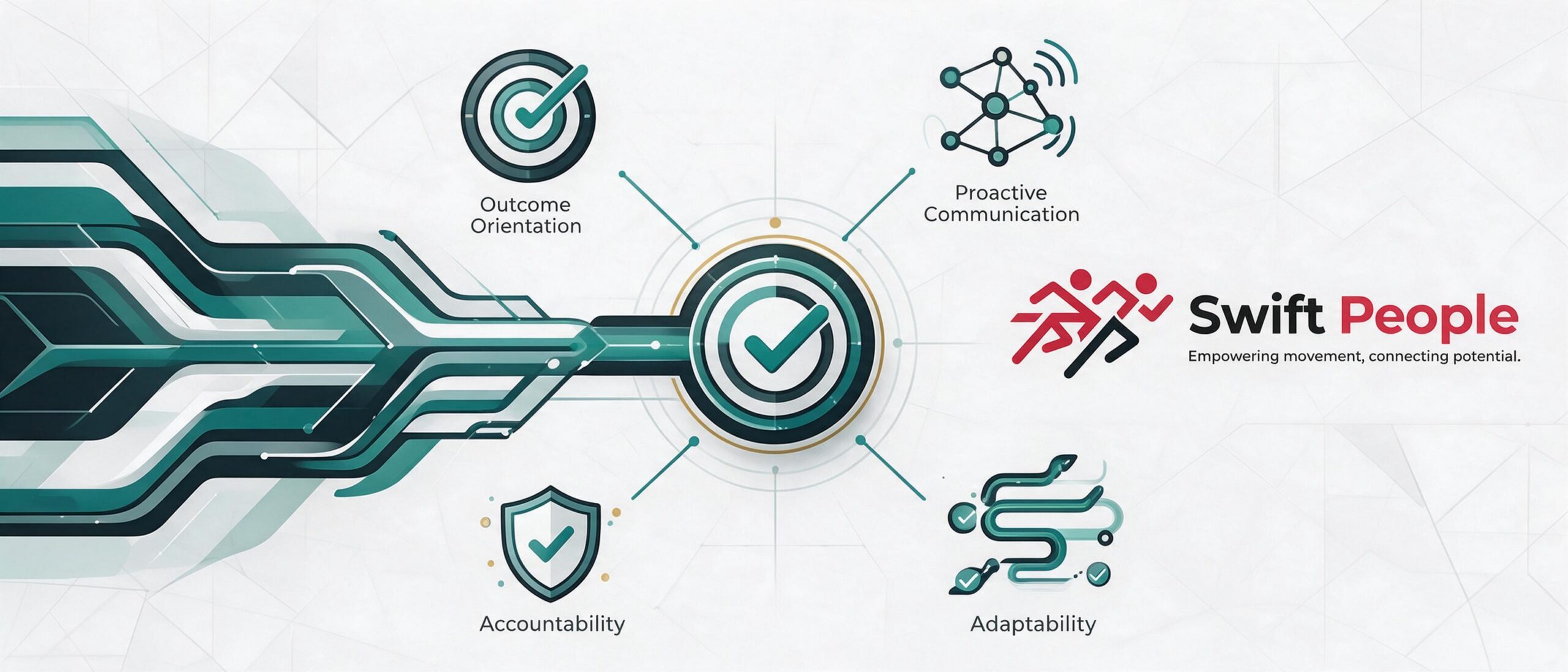
1. Outcome Orientation
Consultant-grade professionals focus on results, not simply completed tasks.
A task is complete when the work is done. An outcome is achieved when that work creates meaningful value for the client, the team, or the end user.
These professionals understand what success looks like before starting. They use that understanding to guide their decisions, prioritize their efforts, and assess their progress throughout the engagement.
They measure success by the value they deliver, not just the activity they complete.
2. Proactive Communication
One of the clearest signs of professional maturity is the ability to communicate before being asked.
Consultant-grade professionals provide timely updates, identify risks early, and raise blockers while there is still time to address them.
Proactive communication does not mean reporting every minor detail. It means giving stakeholders the right information at the right time so they can make informed decisions.
In client-facing and team environments, this habit can make the difference between a successful engagement and an avoidable failure.
3. Adaptability Under Real Conditions
Consultants are often expected to integrate quickly into unfamiliar teams, systems, organizational cultures, and working practices.
Doing this well requires more than technical flexibility. It requires understanding the environment, recognizing how decisions are made, identifying stakeholder expectations, and adjusting one’s approach without compromising professional standards.
Adaptability is not about abandoning your principles. It is about applying your knowledge effectively within the context in which you operate.
4. Accountability Without Excuses
Problems are inevitable in professional environments. What distinguishes consultant-grade professionals is how they respond when things go wrong.
They take ownership of their contributions, communicate what happened clearly, identify what could have been done differently, and propose practical next steps.
Rather than focusing on blame, they focus on resolution and improvement.
Over time, this approach builds professional trust, strengthens working relationships, and creates the reputation that leads to repeat engagements and referrals.
Why This Standard Matters More Than Ever
Organizations are becoming increasingly discerning about the professionals they bring into their teams, whether through permanent employment, consulting, or contract engagements.
They need people who can integrate quickly, navigate uncertainty, communicate clearly, and deliver consistently without creating unnecessary management overhead.
This is particularly important in technology and quality assurance, where timelines are tight, requirements evolve, and the consequences of underperformance can extend beyond missed deadlines.
The most valuable professionals are not necessarily those with the longest lists of tools and certifications. They are those who combine technical competence with sound judgment, independence, effective communication, and consistent delivery.
Technical skills may open the door. Professional maturity helps you earn trust and sustain opportunities.
How Swift People Develops This Standard
At Swift People, our Academy programs are built on a simple conviction: technical competence and professional readiness are both essential, and both can be developed.
Our approach goes beyond helping professionals pass assessments or add tools to their CVs. We aim to prepare them to contribute meaningfully in real working environments, from client projects and agile teams to cross-functional organizations.
Whether you are transitioning into technology, progressing from junior to mid-level, or preparing for consulting and talent deployment opportunities, our focus is on helping you connect what you learn with what professional environments require.
The goal is not simply to make you employable on paper. It is to help you develop the capabilities to contribute with confidence, accountability, and consistency.
The Standard Worth Aiming For
Consultant-grade professionals are not simply born ready. They develop through deliberate practice, practical exposure, continuous feedback, and structured preparation that connects knowledge with real-world application.
If you are working toward this standard, or your organization needs professionals prepared to operate at this level, Swift People is ready to support your journey.
Join our Community to learn more about our Academy programs and professional development pathways.
Leave a Reply